For many years the search engine world was shaped by Google’s rules. When we planned our SEO strategies we thought about algorithms, SERP structure and backlink strength. But today a brand-new era is beginning: AI-powered search engines. And one name stands out here: Perplexity, which completely rewrites the classic “search bar + results list” logic and decides for itself which pages deserve to be quoted.
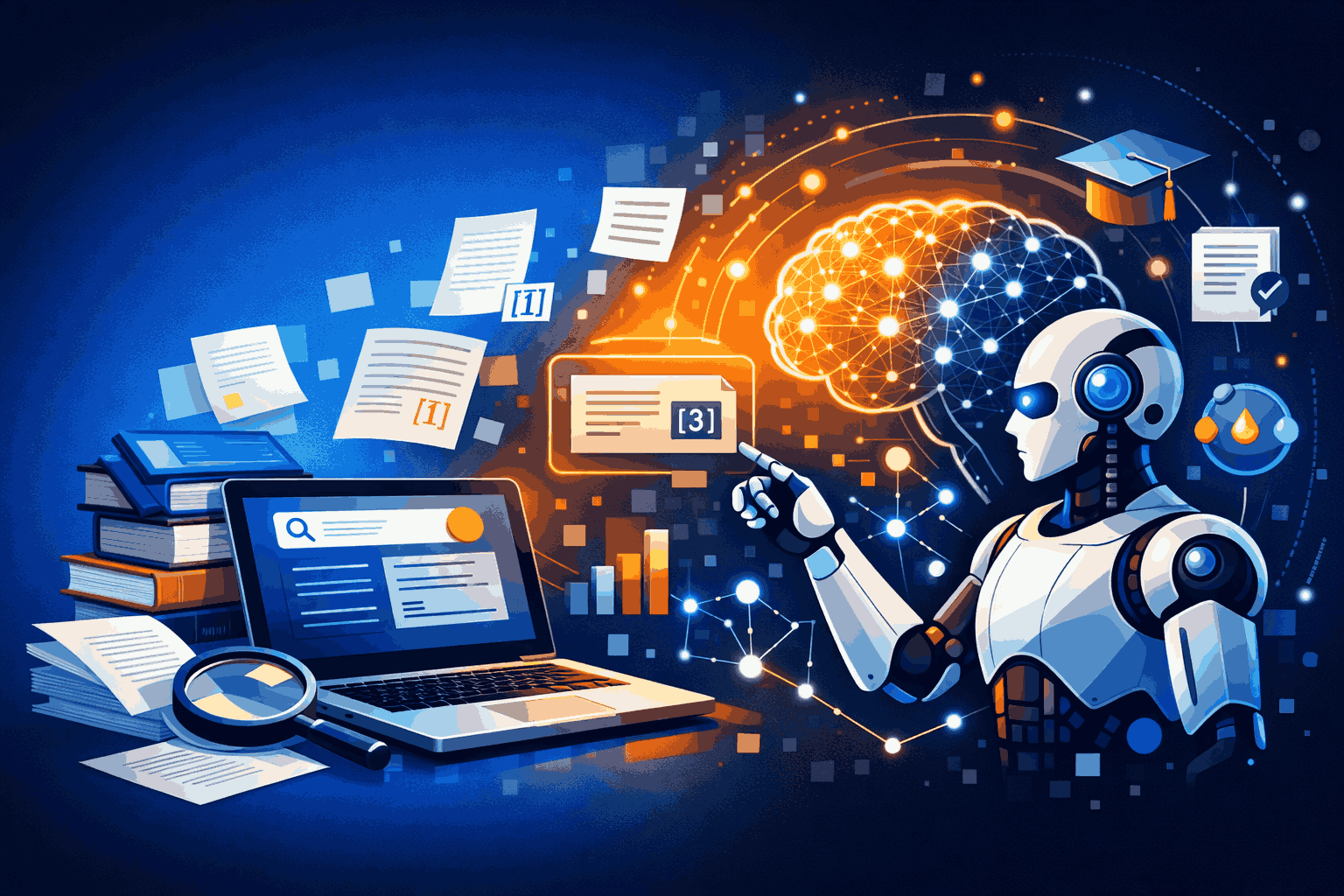
So what makes Perplexity different? Put simply: when you search on Google you are handed dozens of links and you keep clicking until you find the right information. On Perplexity the process is reversed. You type your question, and it both scans the web and uses AI to put together a summarised answer with its sources for you. In other words, you get the “answer” directly, without losing time, and you can see which pages it was built from.
For brands and content producers this new approach is a serious warning: From now on, SEO work alone will not be enough. You will need to build your content in a form that AI engines can understand and present to users as something trustworthy. That is exactly why marketers are now talking about GEO (Generative Engine Optimization) and about which pages AI engines choose to cite.
Perplexity is not just “a search engine”; it is also a tool that makes us rethink our content strategies. If you want to be visible in AI-powered search engines in 2025 and beyond, you need to understand the changing SEO trends and the shift from SEO to GEO starting today.
Table of Contents
ToggleWhat Is Perplexity?
When Perplexity first entered our lives at the end of 2022, the question “could this be an alternative to Google?” came up straight away. Used at first by a small audience, this AI-powered search engine quickly landed on the radar of technology enthusiasts, researchers and content producers. Today its user numbers and market share keep growing; among research professionals in the US and Europe in particular it is spreading fast.
So why is it growing this quickly? Because Perplexity turns the habits of classic search engines completely upside down. While Google lists dozens of results for you, Perplexity answers your question directly. On top of that, it adds its sources under the answer and so offers “transparency”. It does not simply give you an “AI guess”; it gives you verifiable information. That earns users’ trust and brings them back again and again.
Another point is the time factor. Today’s internet user wants information fast and has no appetite for juggling 10 tabs. Perplexity speaks directly to that need. In short, it gives the user the “find me the most reliable information, summarise it and show me the source” experience. And that approach positions it as a “next-generation search engine”.
Today Perplexity is not only a tool that answers the questions on your mind; it is becoming a powerful solution that speeds up work in fields ranging from academic research to content production. Its steadily rising market share also signals that in future Perplexity may be not just an “alternative” but one of the main players in the digital world.
How Does Perplexity Build Its Answers?
What separates Perplexity from classic search engines is that, instead of merely listing results, it uses AI-powered logic to understand and answer questions “in human language”. Behind that process sit natural language processing (NLP), real-time web scanning and the citation mechanism attached to every answer. To sum it up in one line: Perplexity works both as an assistant that does the research for you and as a consultant that verifies the results.
- Query Logic Built on AI and Natural Language Processing
- Citing Sources and Trustworthiness
- Real-Time Web Scanning
Query Logic Built on AI and Natural Language Processing
Perplexity does not focus on keywords the way classic search engines do. Instead, it works out the context of the question with natural language processing technologies. It can understand a long, specific question such as “SEO agencies in 2025: which strategies are they prioritising?” and produce a summarised answer to match. That gives users the ease of asking directly, without memorising keywords.
Is AI citing you as a source?
Get your brand named in ChatGPT, Perplexity and Google AI answers. We find where your visibility breaks down and fix it.
REQUEST A GEO ANALYSISCiting Sources and Trustworthiness
In many AI tools the most debated issue is reliability. Perplexity sets itself apart here: it offers reference links under every answer it gives. The user can see which sources the answer was compiled from and, if they wish, go to the source itself. This transparent approach minimises the “hallucination” problem and strengthens the trust factor.
Real-Time Web Scanning
While models such as ChatGPT are mostly trained up to a certain date range, Perplexity scans the internet in real time as you ask. That means it can integrate last-minute information into its answers, from breaking news to new research. For anyone working in technology, finance or trend-driven sectors, that is a major advantage.
The Advantages Perplexity Gives Its Users
The most critical strength of AI-powered search engines is not only that they deliver information, but that they organise that information in a fast, reliable and user-friendly way. Perplexity stands out precisely at this point. It offers an experience that saves users time, builds confidence and makes research easier.
- Fast, Cited Answers : Perplexity’s biggest advantage is that it gives an accurate, cited answer in a single click. Instead of scanning dozens of pages, users reach compiled summaries with the sources shown. That both speeds up access to information and creates a feeling of trust.
- Differences From Classic Search Engines : On Google or Bing the user is given a list of results and the choice is left to you. On Perplexity the process is reversed: the answer is given directly and the sources are added like footnotes. The search experience stops being passive and becomes more interactive and user-friendly.
- Use Cases for In-Depth Research : For students, academics, content producers or marketing professionals, Perplexity is a genuine “accelerator”. A marketing specialist, for example, can see a trend analysis within seconds; an academic can reach the most recent research with sources attached. The research process gets shorter, accuracy goes up and content production speeds up.
Perplexity vs. ChatGPT: Similarities and Differences
Perplexity and ChatGPT are often lumped together, because both produce AI-powered answers. In reality, though, the logic they use, the experience they offer and the value they give the user are quite different.
The first difference is the style of the answer and the use of sources. ChatGPT answers according to the data set it was trained on and mostly does not cite sources. That can leave the user doing extra research to verify the answers. Perplexity, on the other hand, reduces the reliability problem by adding reference links under its answers. The user gets information quickly and can also go to the source to check it.
Another critical difference lies between real-time search and model-based knowledge. ChatGPT works on the basis of its 2023 training data and cannot reach some current information (plug-ins aside). Perplexity scans the web on the spot and integrates the latest developments into its answers. That is a big advantage in fast-moving areas such as news, trends or technology.
So in which situation does it make more sense to use which one?
- ChatGPT comes into its own in content production, creative idea development and long-term strategy planning.
- Perplexity is more effective for fast research, for reaching current data and wherever source reliability matters.
In short, ChatGPT and Perplexity are not rivals; they are two tools that complement each other. A smart user can draw on ChatGPT while producing content, then bring in Perplexity to verify and update the information.
Generative Engine Optimization (GEO) and Perplexity
As the search engine world changes, SEO on its own is no longer enough. The new concept brands have started talking about is GEO (Generative Engine Optimization). Put simply, GEO is how classic SEO logic evolves in the age of AI. What counts now is not only ranking at the top of Google but also being visible in ChatGPT or being represented correctly in AI-powered search engines such as Perplexity. In other words, SEO in the age of AI is exactly what GEO has come to mean.
The differences between SEO and GEO actually come from the way search habits have changed. SEO plays in the world of algorithms and keywords, while GEO focuses on how AI understands content. In SEO the aim was to send signals to search engine robots; in GEO the goal is to make sure AI engines take the right context out of your content. Put another way, SEO “addresses robots”, while GEO calls for content “written in human language that AI can also parse comfortably”.
This is where Perplexity turns up as one of the best examples of the GEO idea. Every answer it gives the user is a combination of AI and a web scan. If your content is structured properly, your brand can be shown as a source in Perplexity’s answer. That opens the door to next-generation digital visibility: appearing in AI answers has become just as much a competitive arena as ranking at the top of Google.
For brands the importance of this is enormous, because users’ search habits are shifting fast towards “asking the AI”. If your brand is not prepared with GEO strategies, you can become invisible on platforms such as Perplexity or ChatGPT even when you are strong in SEO. With the right GEO practices, on the other hand, your content meets your customers not only on Google but through brand-new channels such as being visible in ChatGPT.
In short, the move from SEO to GEO is no longer a choice but a necessity. The brands that spot this transformation first will be several steps ahead of their competitors in the age of AI.
How Perplexity Is Changing Digital Marketing and SEO
The rise of Perplexity is not only a matter of “a new search engine”; it also changes how digital marketing and SEO are done at the root. Users’ search habits have moved on from “browsing a list of links” and are now built on “getting the answer directly”. That forces brands to rethink their content strategies.
First of all, how is it changing search habits? People are starting to ask longer, more detailed questions. Instead of typing “Istanbul SEO agency”, they ask questions in more natural language, such as “Which is the best SEO agency in Istanbul and why should it be preferred?” That means content has to be prepared not just around keywords but around the whole of user intent.
This change also creates new opportunities for content producers. Ranking on Google is no longer the only target; appearing in the answers given by AI engines such as Perplexity has become one too. Properly structured content can be among the data Perplexity cites. That gives brands a new traffic and visibility channel.
So how should brands prepare for this new order? Here are some tips for creating GEO-friendly content:
- Anticipate the questions users might ask in natural language and answer them in the content.
- Offer citable, credible and data-backed information.
- Prepare content around “intent” rather than only around “keywords”.
- Use structured data and schema to make the content easier for machines to understand.
- Stay current and refresh the content regularly.
In the end, Perplexity opens a brand-new playing field in the world of digital marketing and SEO. Traditional SEO techniques still matter, but without GEO-friendly content it will become impossible to be visible in AI searches in future. The brands that adapt early will gain the most from this transformation.
Although Perplexity is called a “next-generation search engine” today, it has the potential to sit at the centre of the search ecosystem in future. The speed at which users are adopting it, its growing market share and its real-time, cited answers make it not merely an alternative tool but one of the digital world’s significant players. Over the coming years it would be no surprise to see it positioned next to Google as a strong rival or a complementary technology.
At this point the most critical move brands can make is to develop content strategies that fit GEO. The fundamentals of SEO still hold, but understanding how AI search engines interpret content, and producing content accordingly, is now essential. Producing data-driven material that answers user intent and can be shown as a source is what will keep brands visible in the search results of the future.
It is also worth remembering that this transformation is not focused on “a single tool”. A hybrid scenario that uses ChatGPT and similar AI tools alongside it will be the smartest route. Producing content ideas with ChatGPT, for example, and then verifying the current, cited version of that information through Perplexity will give brands both speed and reliability. That way a competitive advantage can be gained not only in SEO but in GEO as well.
In short, the rise of Perplexity shows us this: the search engine game is changing. The ones ready for the future will be the brands that think about SEO and GEO together and build the AI ecosystem into their strategies.
Perplexity FAQs
What Is Perplexity?
Perplexity is an AI-powered, next-generation search engine. Instead of handing users a list of results, it answers questions directly with a summary and names the sources behind it. That makes it possible to reach information quickly and reliably.
How do you use Perplexity?
All a user has to do is type the question in natural language. Perplexity analyses the question with AI, scans the internet in real time and builds an answer with sources. That way the answer and the means of verifying it arrive at the same time.
How is Perplexity different from classic search engines?
Search engines such as Google or Bing return results as a list and expect the user to choose. Perplexity reverses that process: it gives the answer directly and adds its sources underneath. Less time is lost and trust goes up.
What does Perplexity mean for the digital marketing world?
Perplexity brings out the importance of GEO, a new concept alongside SEO. Brands now have to aim to be visible not only on Google but in AI engines too. That makes credibility, context and citable information strategic parts of content production.